Fabricated Memories
What a Missing 55 Dollar Tee Teaches Us About Corporate Trauma

Let me share something that happened to me the other day while I was digging through some old boxes here in Amsterdam… I stumbled upon a “photograph” (yeah, old skool), from years ago. There I was, looking significantly younger, but what really caught my eye wasn’t my lack of wrinkles, it was the shirt. My absolute favorite, solid navy blue, cotton T-shirt…
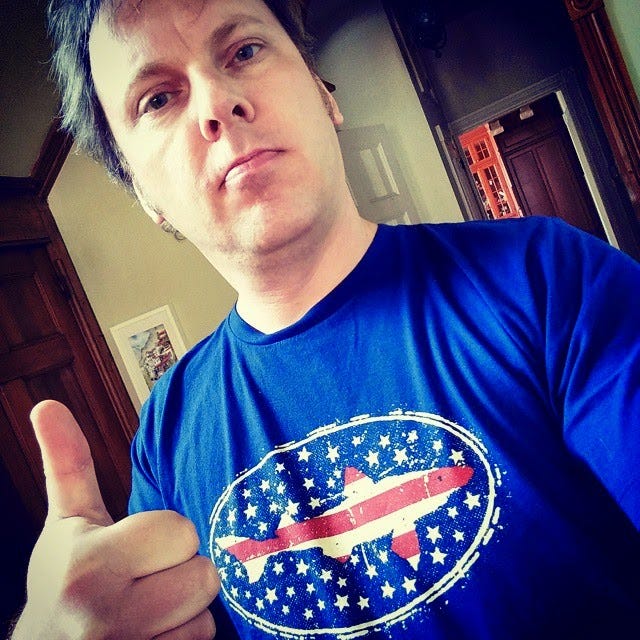
The Anatomy of a Favorite Shirt
The moment my eyes hit that print, a wave of pure nostalgia washed over me. I remembered everything about it. I remembered buying it in a brewery for about 55 Dollars, which felt like a fortune at the time. I remembered the exact texture of the fabric, the way it sat perfectly on the shoulders and the 1.000 or so memories baked into its threads.
That shirt saw me through late-night talks, travels abroad and countless moments of just feeling entirely comfortable in my own skin. The brain is a beautiful machine like that; it archives the sensory details of comfort and happiness with incredible precision.
But then, the mood shifted…
The Ultimate Disappearing Act
I sat there looking at the picture, asking myself a very simple question: Where the hell did it go?
I racked my brain for solid minutes, but there was nothing. A total blackout. Did I leave it in a hotel room in Barcelona? Did it shrink to doll-size in a bad 60-degree wash cycle? Did an upset family-member quietly claim it as war reparations? I have absolutely zero memory of its departure.
And honestly? A little bit of guilt started building up. That shirt was a loyal companion. It deserved a proper retirement ceremony or at least a conscious goodbye. Respect, friendship and a decade of shared history demanded a fitting end. But no. My brain completely deleted the exit strategy, leaving only the golden glow of the good times.
The Business Paradox: Why Can’t We Wear the Same T-Shirt?
There is fascinating part about human psychology: when it comes to our personal lives and nostalgia, our brains are excellent filters. The mundane endings and minor tragedies fade away, leaving the brilliant, high-definition memories of the good stuff.
But step into the corporate world and suddenly the entire mechanism flips upside down.
Why is it that in business, we do the exact opposite?
The 99% vs. the 1%: A team can deliver 99 flawlessly executed projects, but the moment one presentation goes slightly sideways, it becomes corporate lore for the next three years.
The Stain on the Fabric: We treat business mistakes like a permanent ink stain on a white shirt, while completely forgetting the pristine fabric surrounding it.
The Memory Bias: Ask a manager about their best day last year and they might have to think for a minute. Ask them about the time a supplier messed up a delivery and they will give you the exact date, time and the tone of voice used in the email.
We are evolutionary wired to look for threats, sure. But in modern professional life, this hyper-focus on the negative creates a culture of fear. We become so obsessed with avoiding the “bad ending” that we forget to enjoy the process of building something solid.
Putting on a New Mindset
If our brains can show ultimate grace to a lost piece of clothing by only remembering the joy it brought, we should be able to apply that same framework to our careers and companies.
We need to start actively archiving the wins, the great team dynamics and the successful launches with the same emotional intensity we give to the occasional crisis. The mistakes? Let them fade out of the psychological wardrobe like an old T-shirt. They served their purpose, they taught us a lesson and they don’t need to occupy rent-free real estate in our minds forever.
It makes you think, doesn’t it? What is the “favorite T-shirt” memory of your career that you’ve been neglecting lately because you’re too focused on a current minor stain?
(And seriously, if anyone in Amsterdam happens to find a perfectly faded navy tee from the late 2000s... let a geek know).